QatarEnergy LNG Approved Cryogenic Vessel Suppliers: What the Standard Really Requires
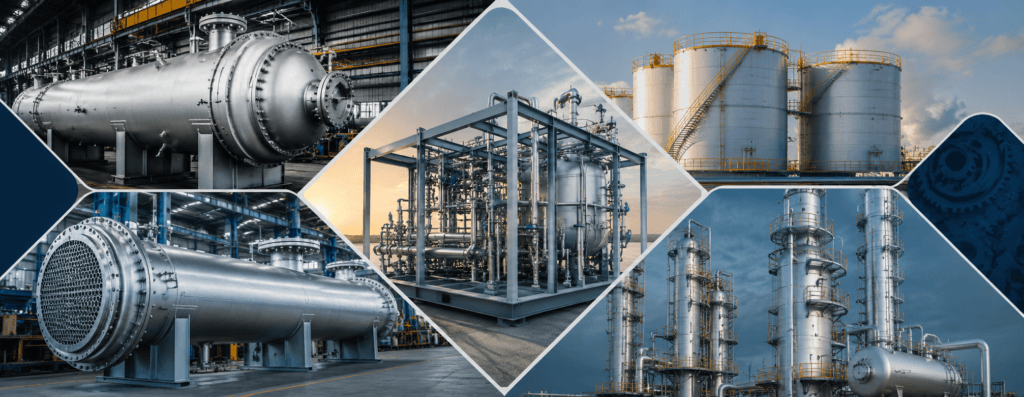
QatarEnergy LNG operates the liquefaction trains and export infrastructure behind Qatar's position as one of the world's largest LNG producers, including the ongoing North Field expansion projects. Cryogenic vessels are essential to that chain, handling natural gas and refrigerants at temperatures as low as -162°C during liquefaction, storage, and boil-off gas management. When a project's cryogenic vessels are ultimately destined for a QatarEnergy LNG facility, "approved supplier" isn't a marketing phrase — it's a specific, audited status the operator grants to individual manufacturers after a formal qualification process. For procurement and engineering teams in Italy sourcing cryogenic vessels for this kind of work, understanding what that process actually involves is far more useful than searching for a badge.
This article explains what QatarEnergy LNG vendor approval covers, the engineering baseline it's built on, and what to look for when qualifying a cryogenic vessel manufacturer for QatarEnergy LNG-linked or -grade projects.
What QatarEnergy LNG Vendor Approval Actually Means
QatarEnergy LNG maintains its own vendor qualification process, which involves a detailed audit of a manufacturer's quality management system, low-temperature welding procedures, material control, non-destructive testing capability, and documented fabrication history specific to cryogenic service. That audit is typically carried out by the operator's own engineering and inspection teams or a third-party inspection agency acting on its behalf, and the resulting approval is specific to the manufacturer and often to defined equipment categories and material classes.
Because this status is granted directly by QatarEnergy LNG to a named manufacturer, it isn't something any supplier can claim without going through that process. What buyers researching suppliers can assess independently — before any formal audit — is whether a manufacturer's engineering and quality practices are already built to the level QatarEnergy LNG requires.
The Engineering Baseline Behind QatarEnergy LNG-Grade Cryogenic Vessels
Cryogenic vessel fabrication combines standard pressure-vessel design with the additional material toughness and insulation requirements that low-temperature service demands. Regardless of a vessel's final destination, the technical requirements that underpin QatarEnergy LNG-grade fabrication are largely consistent across the LNG sector:
Pressure Boundary Design
ASME Section VIII, Division 1 or 2, governs the vessel shell, heads, and pressure-retaining nozzles, with design temperatures extending down to cryogenic service limits.
Low-Temperature Material Selection
9% nickel steel, austenitic stainless steel, or aluminum alloys selected for their toughness at cryogenic temperatures, avoiding brittle fracture risk under service conditions.
Charpy Impact Testing
Impact testing of base material and weld procedures at the minimum design metal temperature, verifying toughness before fabrication proceeds.
Insulation and Vacuum-Jacket Systems
Perlite, polyurethane foam, or vacuum-jacketed insulation systems engineered to minimize heat ingress and control boil-off rates.
Welding Procedure Qualification
WPS and PQR documentation specific to low-temperature materials, with welders individually qualified under ASME Section IX.
Non-Destructive Testing
Radiographic and ultrasonic examination of pressure-boundary welds, along with dimensional verification of nozzle and support attachments.
Pressure and Leak Testing
Hydrostatic or pneumatic pressure testing, along with helium leak testing where vacuum-jacketed construction is specified, before the vessel leaves the shop floor.
Third-Party Inspection
Hold-point sign-off from an accredited inspection body such as Lloyd's Register, Bureau Veritas, TÜV, or DNV throughout fabrication.
A manufacturer that applies this level of process-aware engineering as standard practice — not only on projects with a named end client — is generally the one positioned to succeed if and when a formal QatarEnergy LNG vendor audit takes place.
Where Notdstone Fits
Notdstone designs and manufactures pressure vessels engineered for safe containment under demanding pressure and temperature conditions, including low-temperature service, serving Italy, the GCC, and international markets, with more than three decades of engineering experience across the team. Our fabrication and QA/QC processes are structured around the technical baseline described above — documented material traceability, ASME IX-qualified welding, comprehensive NDT, and full pressure testing before delivery.
To be clear with buyers researching this topic: formal vendor approval with QatarEnergy LNG is issued directly by QatarEnergy LNG to specific manufacturers following its own audit process, and we're not claiming that status here. What we can speak to with confidence is the engineering rigor our vessels are built to on every project.
Equipment Built to That Standard
Pressure Vessels
ASME Section VIII-compliant vessels engineered for safe containment under demanding pressure and temperature conditions.
Heat Exchangers
TEMA-designed shell-and-tube units for heating, cooling, condensation, and energy recovery.
Storage Tanks
API 650/620-referenced tanks for liquids, gases, chemicals, and petroleum products.
Columns
Distillation, absorption, and stripping columns engineered for process efficiency in chemical and petrochemical service.
Reactors
Custom-engineered reactors for controlled chemical processing and reaction management.
Process Skids
Factory-assembled modular skids integrating vessels, pumps, piping, and instrumentation to compress site installation time.
Separators
Two- and three-phase separator vessels engineered for efficient gas, oil, and water separation in upstream and midstream service.
FAQ1. What does "QatarEnergy LNG approved" mean for a cryogenic vessel supplier?
It means the manufacturer has been formally audited and accepted by QatarEnergy LNG, covering their low-temperature design capability, welding procedures, and testing capability.
2. What makes a vessel suitable for cryogenic service?
Cryogenic vessels use materials with proven toughness at low temperatures, such as 9% nickel steel or austenitic stainless steel, along with insulation systems designed to control heat ingress and boil-off.
3. Why is impact testing important for cryogenic vessels?
Impact testing confirms that the base material and welds retain adequate toughness at the minimum design metal temperature, reducing the risk of brittle fracture in service.
4. Can a manufacturer outside the region supply QatarEnergy LNG-linked cryogenic vessels?
Yes, provided their design capability, material traceability, and third-party inspection arrangements meet the project specification and export logistics support delivery.
5. How can I verify a supplier's vendor-approval claim?
Ask for written confirmation of the approval status and its exact scope — which equipment categories it covers — rather than relying on a general claim.
Working With Notdstone
If your project requires cryogenic vessels engineered to international codes and manufactured under documented quality control, our engineering team can review your process requirements and provide a project-specific proposal. Get in touch with Notdstone to discuss your specifications.
Get In Touch
Recent Posts