
Heat Exchanger
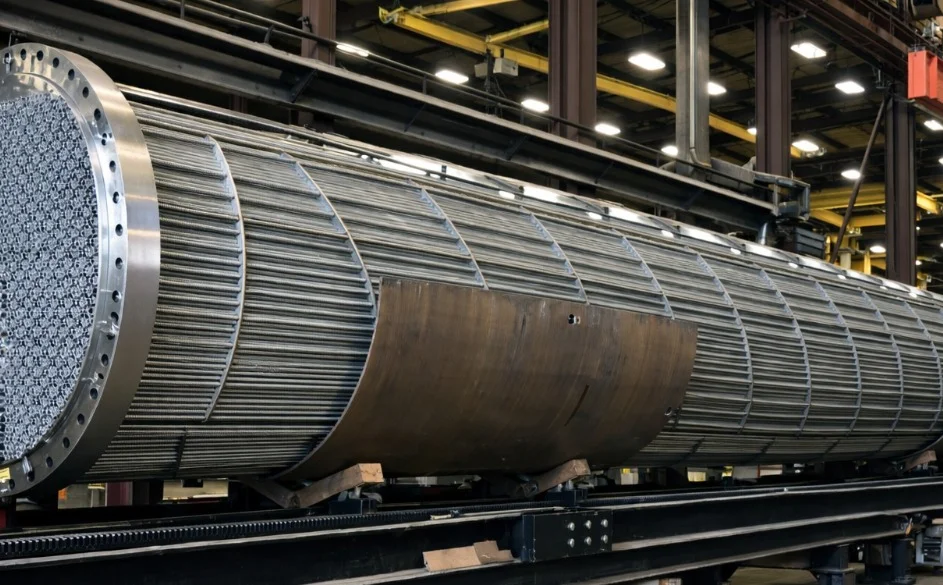
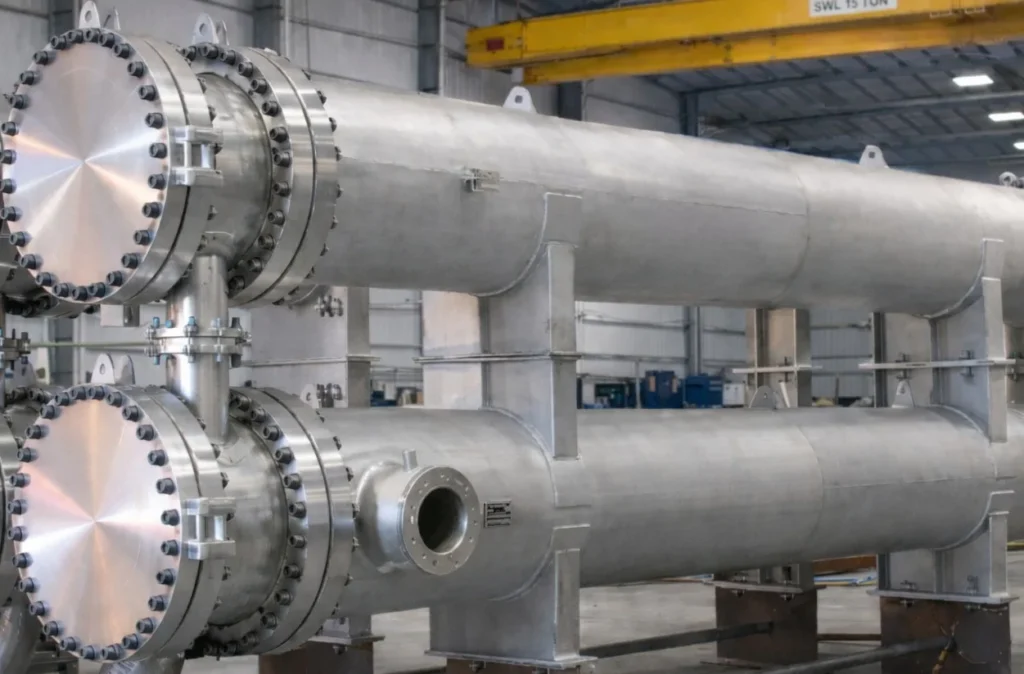
Heat Exchangers are efficient systems designed to transfer heat between liquids or gases without direct contact. Widely used in industrial, chemical, HVAC, and manufacturing applications, they help improve energy efficiency and temperature control.
FAQ – Heat Exchanger
1. What is a heat exchanger?
A heat exchanger is a device used to transfer heat from one fluid or gas to another without mixing them directly.
2. Where are heat exchangers commonly used?
Heat exchangers are widely used in industries such as power plants, chemical processing, food manufacturing, HVAC systems, and oil refineries.
3. What are the different types of heat exchangers?
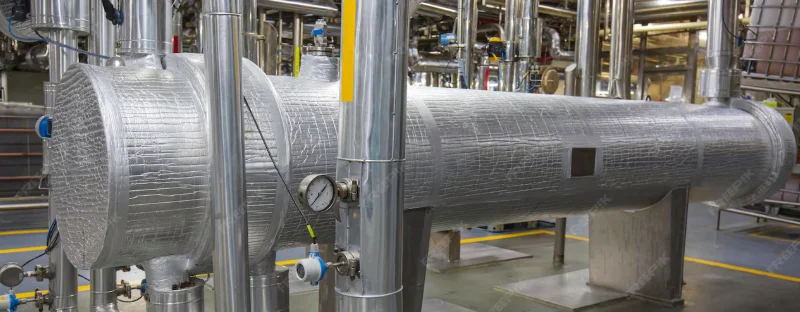
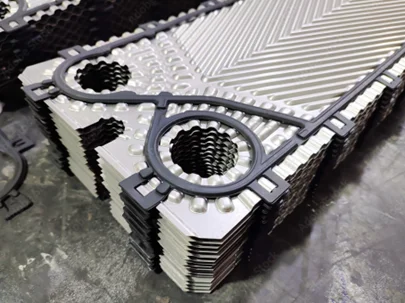
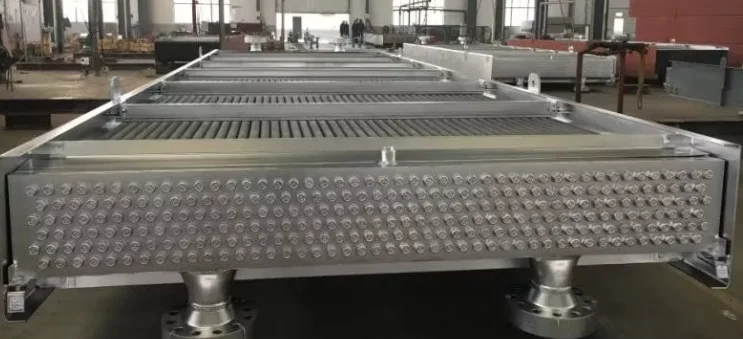
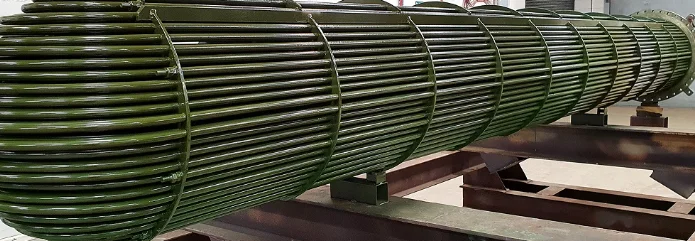
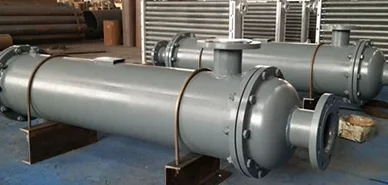
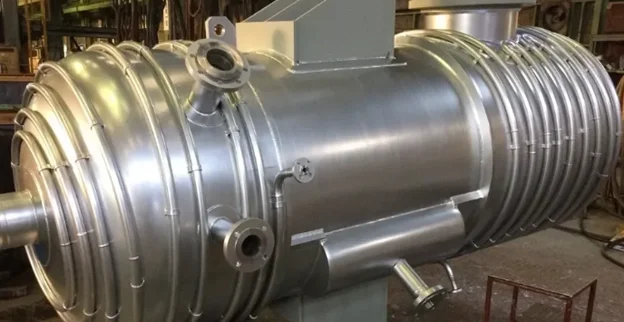
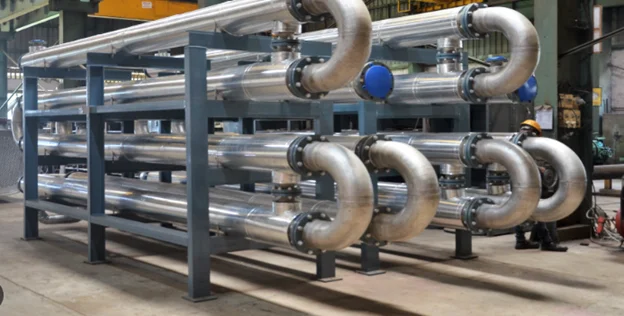
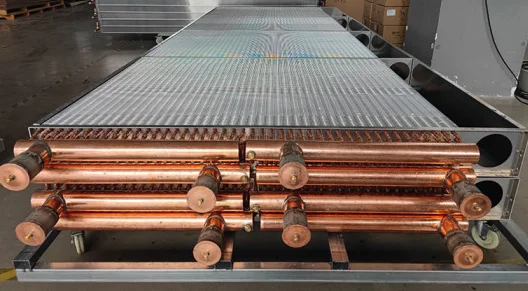
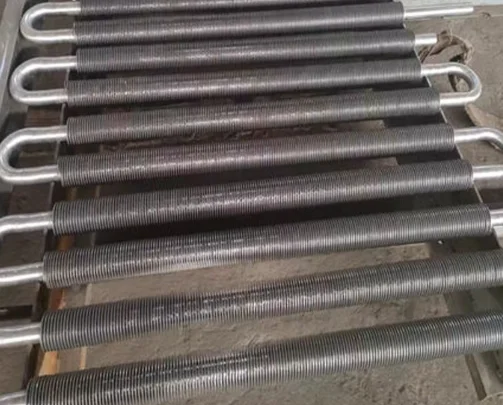
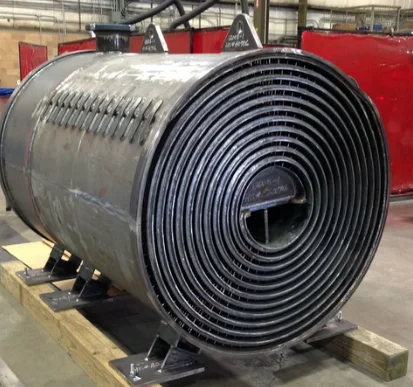
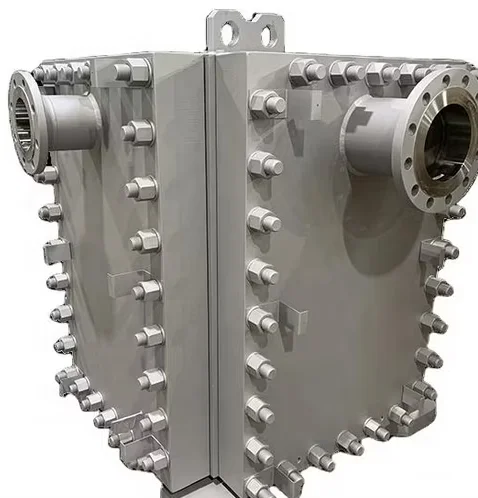
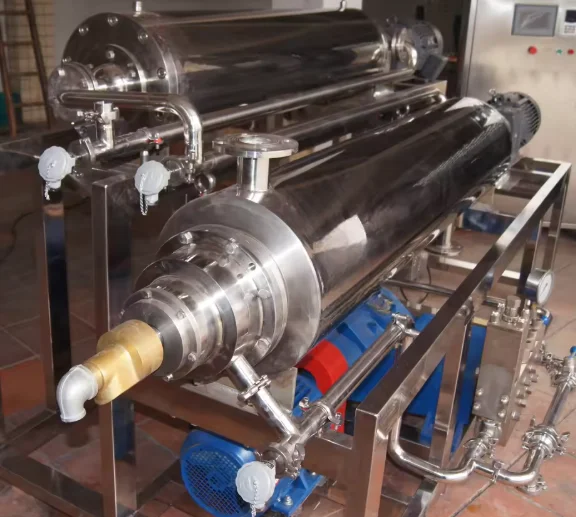
Common types include shell and tube heat exchangers, plate heat exchangers, air-cooled heat exchangers, and double pipe heat exchangers.
4. What materials are used to manufacture heat exchangers?
Heat exchangers are commonly made using stainless steel, copper, aluminum, titanium, and carbon steel depending on the application.
5. How does a heat exchanger improve efficiency?
Heat exchangers help recover and reuse heat energy, reducing energy consumption and improving overall system performance.
6. Are heat exchangers suitable for high-temperature applications?
Yes, industrial-grade heat exchangers are designed to handle high temperatures and pressure conditions safely.
7. Do heat exchangers require maintenance?
Regular cleaning and inspection are important to maintain efficiency and prevent scaling, corrosion, or leakage issues.
8. Can heat exchangers be customized for industrial needs?
Yes, heat exchangers can be customized based on capacity, pressure rating, temperature range, and specific industrial requirements.